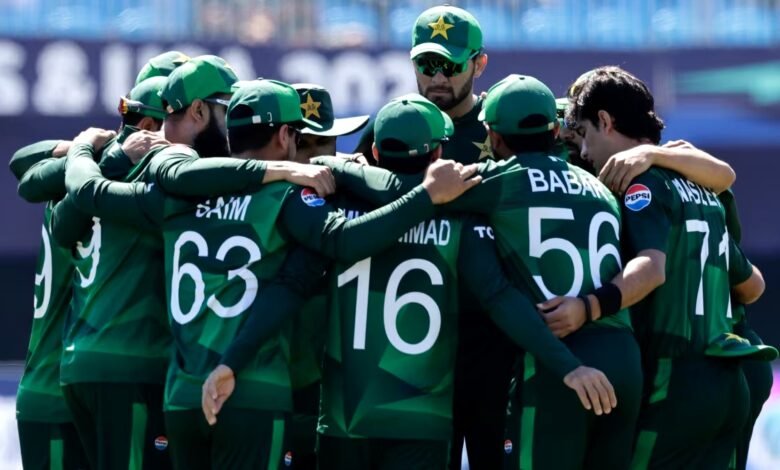
Pakistan’s cricket team has long been a force to reckon with in international cricket. Known for its unpredictability, the team has produced some of the most thrilling moments in the sport’s history. However, in recent times, Pakistan’s cricket team performance has been inconsistent, particularly in multi-nation tournaments like tri-series. The recent tri-series involving Pakistan, along with two other competitive teams Newzealand, and South Africa saw the Men in Green struggling to make an impact. This article delves into the reasons behind Pakistan’s cricket team performance in the tri-series, analyzing various factors that contributed to their underwhelming display.
1. Lack of Consistent Batting Performances
One of the most glaring issues in Pakistan’s cricket team performance during the tri-series was their inconsistent batting. The team heavily relies on its top order to set the foundation, but the batsmen failed to deliver consistently. Key players like Babar Azam and Mohammad Rizwan, who are usually the backbone of the batting lineup, were unable to convert starts into big scores.
Key Problems:
- Over-reliance on Top Order: Pakistan’s middle and lower order have often been criticized for their inability to finish games. When the top order fails, the team collapses, as seen in the tri-series.
- Poor Strike Rates: In modern cricket, strike rates matter, especially in limited-overs formats. Pakistan’s batsmen struggled to accelerate at crucial stages, leading to below-par totals.
- Lack of Adaptability: The batsmen failed to adapt to different pitch conditions, often playing reckless shots instead of building innings.
2. Bowling Inconsistencies
Pakistan has traditionally been known for its strong bowling attack, but even this department faltered during the tri-series. The pacers and spinners failed to maintain pressure on the opposition, resulting in costly leaks of runs.
Key Problems:
- Injuries to Key Bowlers: The absence of key bowlers like Shaheen Afridi due to injuries weakened the attack. The backup bowlers lacked the experience and skill to fill the void.
- Lack of Variations: The bowlers were predictable in their line and length, making it easier for opposition batsmen to score freely.
- Death Bowling Woes: Pakistan’s death bowling, which has been a concern for years, was exposed once again. Bowlers conceded too many runs in the final overs, costing the team crucial matches.
3. Fielding Lapses
Fielding has never been Pakistan’s strong suit, and it proved to be a significant drawback in the tri-series. Dropped catches, misfields, and poor ground fielding added pressure on the bowlers and allowed the opposition to gain momentum.
Key Problems:
- Lack of Fitness: Poor fitness levels among some players affected their agility on the field.
- Mental Errors: Simple mistakes, such as misfields and overthrows, indicated a lack of focus and concentration.
- Inexperienced Fielders: The inclusion of younger players, while beneficial for the future, led to occasional fielding lapses due to inexperience.
4. Team Selection and Strategy
The selection of the squad and the strategies employed by the team management also played a role in Pakistan’s cricket team performance. Questions were raised about the inclusion of certain players and the exclusion of others who could have made a difference.
Key Problems:
- Unbalanced Squad: The team lacked a proper balance between batsmen, all-rounders, and bowlers. The absence of a genuine all-rounder hurt the team’s flexibility.
- Conservative Approach: The team management’s conservative approach, especially in batting, limited the team’s ability to post competitive totals.
- Overlooking Form Players: Some in-form players were overlooked in favor of established names, which backfired during the series.
5. Captaincy and Leadership
Leadership plays a crucial role in a team’s performance, and the tri-series highlighted some shortcomings in this area. Babar Azam, the captain, is undoubtedly one of the best batsmen in the world, but his captaincy came under scrutiny during the series.
Key Problems:
- Lack of Aggression: Babar’s captaincy was often criticized for being too defensive, especially in crunch situations.
- Poor Use of Bowlers: The captain’s inability to use his bowlers effectively, particularly during the death overs, cost the team dearly.
- Decision-Making Under Pressure: Babar struggled to make quick, decisive calls under pressure, which affected the team’s momentum.
6. Mental Fatigue and Scheduling
The packed international cricket calendar has taken a toll on players, leading to mental and physical fatigue. Pakistan’s cricket team performance in the tri-series may have been affected by the lack of rest and recovery time.


Key Problems:
- Frequent Matches: Players were involved in back-to-back series, leaving little time for recovery.
- Travel Fatigue: Constant traveling and adapting to different time zones affected the players’ performance.
- Lack of Mental Conditioning: The team appeared mentally drained, leading to lapses in concentration and execution.
7. Lack of Domestic Cricket Exposure
Pakistan’s domestic cricket structure has often been criticized for not providing enough competitive exposure to players. This lack of experience at the domestic level was evident in the tri-series.
Key Problems:
- Inadequate Preparation: Players were not adequately prepared for high-pressure situations, as domestic cricket does not replicate the intensity of international matches.
- Limited Opportunities for Youngsters: Young players were not given enough opportunities to prove themselves before being thrust into the international arena.
- Quality of Pitches: The quality of pitches in domestic cricket does not prepare players for the challenges they face in international cricket.
8. External Factors
Apart from on-field issues, external factors also contributed to Pakistan’s cricket team performance in the tri-series.
Key Problems:
- Political Interference: Allegations of political interference in team selection and management created distractions.
- Lack of Support Staff: The absence of specialized coaches, such as a batting or fielding coach, affected the team’s preparation.
- Media Pressure: The intense scrutiny from the media and fans added unnecessary pressure on the players.
9. Comparison with Opponents
To understand Pakistan’s cricket team performance, it is essential to compare it with the performances of the other teams in the tri-series. The opposition teams were better prepared, both mentally and physically, and executed their plans more effectively.
Key Observations:
- Stronger Batting Lineups: The other teams had deeper batting lineups, allowing them to recover from early setbacks.
- Better Bowling Strategies: The opposition bowlers used variations and executed their plans more effectively.
- Superior Fielding: The other teams were more agile and sharp in the field, saving crucial runs and taking important catches.
10. Way Forward for Pakistan’s Cricket Team
While the tri-series was a disappointment, it also provides an opportunity for Pakistan to identify areas for improvement and work on them. Here are some steps the team can take to bounce back:
Recommendations:
- Focus on Fitness: Improving fitness levels should be a priority to enhance fielding and overall performance.
- Invest in Domestic Cricket: Strengthening the domestic cricket structure will help groom young talent and prepare them for international cricket.
- Specialized Coaching: Hiring specialized coaches for batting, bowling, and fielding can address specific weaknesses.
- Mental Conditioning: Providing mental conditioning support will help players handle pressure better.
- Strategic Planning: The team management needs to adopt a more aggressive and flexible approach in terms of strategy and team selection.
Conclusion
Pakistan’s cricket team performance in the tri-series was a reflection of several underlying issues, ranging from inconsistent batting and bowling to poor fielding and leadership. While the team has the talent to compete at the highest level, addressing these challenges is crucial for future success. By focusing on fitness, improving domestic cricket, and adopting a more strategic approach, Pakistan can regain its status as one of the top teams in international cricket. The road ahead may be tough, but with the right measures, the Men in Green can once again shine on the global stage.