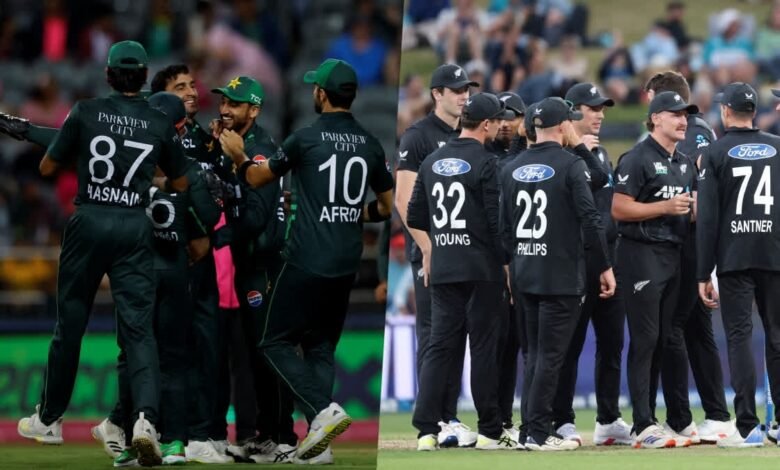
In the opening match of the ICC Champions Trophy 2025, Pakistan faced a significant setback, succumbing to a 60-run defeat against New Zealand at the National Stadium in Karachi. This loss has sparked extensive discussions among cricket enthusiasts and analysts, focusing on the performance of Pakistan’s cricket team and the factors contributing to their underwhelming start in the tournament.
Match Overview
New Zealand, after being invited to bat first by Pakistan’s captain Mohammad Rizwan, posted a formidable total of 320 for five in their allotted 50 overs. The innings was anchored by impressive centuries from Will Young, who scored 107, and Tom Latham, who remained unbeaten at 118. Glenn Phillips also made a significant contribution with a brisk 61 off 39 balls, propelling New Zealand past the 300-run mark. In response, Pakistan’s batting lineup faltered, managing only 260 runs before being bowled out in 47.2 overs. Notable performances came from Babar Azam, who scored 64, and Khushdil Shah, who added 69 runs, but their efforts were insufficient to chase down the target.
Batting Order Disruption
A critical factor affecting Pakistan’s performance was the injury to their key opener, Fakhar Zaman. His absence from the top order necessitated a reshuffling of the batting lineup, disrupting the team’s established order and strategy. Captain Mohammad Rizwan highlighted this issue, stating that Fakhar’s injury prevented him from opening, which in turn affected the team’s momentum and stability at the start of their innings.
Death Bowling Challenges
Pakistan’s bowling attack, traditionally one of their strengths, faced challenges, particularly in the death overs. Despite early successes, the bowlers struggled to contain New Zealand’s batsmen in the latter stages of the innings. The partnership between Will Young and Tom Latham capitalized on this, accelerating the run rate and setting a daunting target. Rizwan acknowledged this shortcoming, noting that the team lost momentum during the death overs and the batting powerplay, which allowed New Zealand to post a higher total than anticipated.
Fielding and Key Moments
Fielding plays a pivotal role in cricket, often turning the tide of a match. In this encounter, a standout moment was Glenn Phillips’ exceptional diving catch to dismiss Mohammad Rizwan. This catch not only removed a key player but also dampened Pakistan’s morale during a critical phase of their chase. Such moments underscore the impact of fielding on the overall performance of a team.
Historical Context and Expectations
Hosting the Champions Trophy for the first time in 29 years, Pakistan entered the tournament with high expectations from fans and cricketing legends alike. The home advantage was anticipated to bolster the team’s performance, with experts like Ravi Shastri and Ricky Ponting backing Pakistan to make a significant impact.
However, the pressure of performing on home soil, coupled with the disruptions in team composition, may have contributed to the team’s underperformance in the opening match.


Strategic and Tactical Analysis
Analyzing the performance of Pakistan’s cricket team reveals several areas of concern:
-
Batting Instability: The absence of Fakhar Zaman disrupted the opening partnership, leading to an unstable start. The reshuffled batting order struggled to build momentum, resulting in a lack of substantial partnerships that are crucial in chasing a high target.
-
Bowling Inefficiencies: While the bowlers managed to secure early wickets, their inability to contain runs in the death overs allowed New Zealand to set an imposing total. The lack of effective yorkers and variations in the final overs highlighted a gap in execution under pressure.
-
Fielding Lapses: Although there were moments of brilliance, such as Phillips’ catch, Pakistan’s overall fielding performance lacked consistency. Missed opportunities and lapses in concentration can shift the momentum in favor of the opposition.
Psychological and Environmental Factors
The psychological pressure of hosting a major tournament can influence team performance. The expectations of delivering a strong performance on home soil, combined with the presence of a large home crowd, can add to the players’ stress levels. Additionally, the injury to a key player like Fakhar Zaman can have a demoralizing effect, impacting team morale and confidence.
Looking Ahead
Despite the disappointing start, the tournament is still in its early stages. Pakistan has the opportunity to regroup and address the identified issues before their next crucial match against arch-rivals India. Focusing on restoring the stability of the batting order, enhancing death bowling strategies, and improving fielding standards will be essential steps in revitalizing the team’s prospects in the Champions Trophy 2025.
In conclusion, the performance of Pakistan’s cricket team in their first match against New Zealand highlights a combination of strategic, tactical, and psychological challenges. Addressing these areas with targeted interventions and maintaining a resilient mindset will be key to overcoming the initial setback and striving for success in the remainder of the tournament.